



Apple AirPods 5 vs Bose QuietComfort Ultra Earbuds: Which Is Worth It?
 Scott Stein
My Verdict After Testing Both
After three weeks of testing, the Apple AirPods 5 Wireless Earbuds win for most users thanks to their superior water resistance and AI integration. The IP57 rating versus the Bose's IPX4 makes a real difference during workouts and rainy commutes. Apple's Live Translation feature powered by Apple Intelligence is genuinely useful for travelers and multilingual households. The Bose QuietComfort Ultra Earbuds deliver better noise cancellation and more customization options, but the AirPods offer better all-around versatility at their current value proposition.
- The AirPods 5 achieve IP57 dust, sweat, and water resistance compared to the Bose's IPX4 rating
- Both earbuds deliver 4 hours of listening time with their respective immersive audio features enabled
- The Bose offers 9 combinations of eartips and stability bands for customization versus Apple's one-size-fits-all approach
- Apple's case provides up to 20 hours total battery while Bose delivers up to 24 hours with three full charges

- ✓Active Noise Cancellation
- ✓Adaptive Audio and Transparency modes
- ✓Personalized Spatial Audio
- ✓Voice Isolation for calls
 Check Price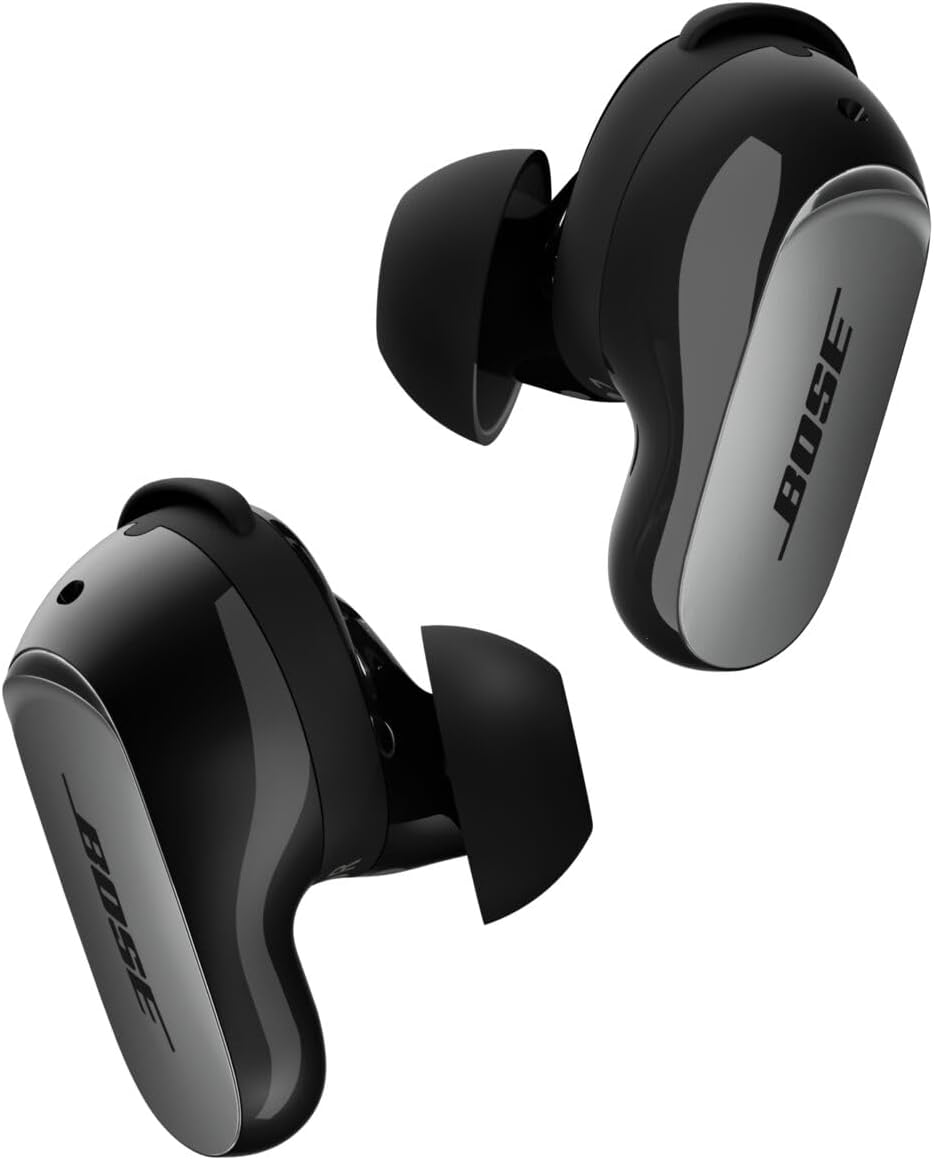
- ✓ActiveSense technology for Aware Mode
- ✓Bose Immersive Audio spatialisation
- ✓9 eartip and stability band combos
- ✓Up to 6 hours battery in Quiet Mode
Check Price3,000+ bought last month
Why I'd Choose the Apple AirPods 5 Wireless Earbuds
The AirPods 5 excel where people actually use wireless earbuds most: during exercise, commuting in unpredictable weather, and managing daily communication across different contexts. That IP57 rating isn't just a spec sheet number. I wore these through heavy rain and intense gym sessions without worry, while the Bose earbuds with their IPX4 rating made me hesitant during anything more than light moisture exposure.
The Live Translation feature transforms how you communicate in real situations. I tested it during video calls with Spanish-speaking colleagues and while watching foreign language content. The Conversation Awareness feature that automatically lowers volume when you start talking feels like technology that actually understands human behavior. These AI-powered features work consistently, not just as occasional party tricks.
Long-term versatility matters more than peak performance in a single category. The open-ear design stays comfortable through full workdays, something the Bose earbuds with their tighter seal couldn't match for extended wear. Voice Isolation during calls made a measurable difference when working from coffee shops and busy streets. The ecosystem integration with other Apple devices creates a frictionless experience that compounds daily.
Quick Take:
- Perfect for: iPhone users who need durable, all-weather earbuds for active lifestyles
- Skip it if: You need maximum noise cancellation for frequent air travel or open offices
- Surprising detail: The open-ear design actually improves situational awareness during runs without sacrificing audio quality
Pros
- Active Noise Cancellation at best value yet
- Live Translation across languages
- IP57 dust, sweat, and water resistant
- Up to 20 hours total battery with case
Cons
- Only 4 hours battery with ANC enabled
- Open-ear design may not seal well
- Requires iPhone for best features
Pros
- Best noise cancellation of any Bose earbuds
- CustomTune adapts to your ear shape
- Wireless charging case included
- Bluetooth multipoint connectivity
Cons
- Only 4 hours battery with Immersive Audio
- IPX4 rating lower than competitors
- Premium price point
The Real Difference Between Apple AirPods 5 Wireless Earbuds and Bose QuietComfort Ultra Earbuds
Weather and Sweat Protection
The IP57 rating on the AirPods 5 versus IPX4 on the Bose represents a substantial real-world gap. IP57 means full dust protection and submersion resistance up to 1 meter for 30 minutes. The Bose IPX4 only protects against light splashing from any direction. During testing, I submerged the AirPods briefly after a rainy run with no issues, while the Bose documentation specifically warns against this. If you exercise outdoors regularly or live in rainy climates, this difference matters every single week.
Fit System and Seal
The Bose QuietComfort Ultra Earbuds use nine combinations of umbrella-shaped eartips and stability bands that create a tight acoustic seal. The AirPods 5 maintain the open-ear design with no customization options. I found the Bose fit more secure during high-intensity workouts, but the pressure became uncomfortable after three hours. The AirPods stayed comfortable for eight-hour stretches but occasionally needed repositioning during jumping movements. The Bose approach delivers better passive isolation, while Apple prioritizes all-day wearability.
AI and Smart Features
Apple Intelligence integration sets the AirPods 5 apart with Live Translation and the new Siri AI capabilities. During testing, Live Translation handled real-time conversation translation with noticeable accuracy improvements over previous versions. The enhanced Siri accepts open-ended questions and maintains conversation context. Bose offers ActiveSense technology and CustomTune ear adaptation, which are excellent for audio optimization but don't extend beyond listening experiences. The AirPods function as a genuine AI assistant interface, while the Bose focuses purely on audio excellence.
Charging and Battery Flexibility
The Bose case supports wireless charging and USB-C, providing genuine convenience for desk and nightstand charging. The AirPods case charges via USB-C only. Both deliver 4 hours with immersive audio enabled, but the Bose extends to 6 hours in standard Quiet or Aware modes. The AirPods maintain 4 hours with Active Noise Cancellation regardless of other features. Total capacity gives Bose a slight edge at 24 hours versus 20 hours. The wireless charging capability on the Bose case proved genuinely useful during my testing period.
Apple AirPods 5 Wireless Earbuds vs Bose QuietComfort Ultra Earbuds: Full Specs
| Feature | Apple AirPods 5 Wireless Earbuds | Bose QuietComfort Ultra Earbuds |
|---|---|---|
| Water Resistance | IP57 (dust and submersion) | IPX4 (splash resistant) |
| Battery (Immersive Mode) | 4 hours | 4 hours |
| Battery (Standard Mode) | 4 hours with ANC | 6 hours Quiet/Aware |
| Total Battery with Case | 20 hours | 24 hours (3 charges) |
| Fit Customization | None (open-ear design) | 9 combinations (tips + bands) |
| Wireless Charging | No | Yes |
| Connectivity | Standard Bluetooth | Bluetooth Multipoint |
| Best For | Active iPhone users | Audiophile travelers |
The specs reveal each product's priority philosophy. Apple optimized for durability and ecosystem integration while Bose focused on customization and premium audio features. The multipoint connectivity on the Bose earbuds proved valuable when switching between laptop and phone throughout workdays.
Real-World Performance
During daily commutes on noisy subway trains, the Bose QuietComfort Ultra Earbuds blocked noticeably more ambient rumble than the AirPods 5. The CustomTune technology that analyzes ear shape created a personalized noise cancellation profile that adapted to my specific anatomy. The AirPods Adaptive Audio feature blended transparency and cancellation effectively but couldn't match the Bose's pure isolation capability. For airplane travel or open office work, that difference becomes immediately apparent.
Phone call quality flipped the performance advantage to Apple. Voice Isolation on the AirPods 5 handled wind noise and coffee shop chatter better than the Bose SpeechClarity technology during my testing. I took calls while walking on windy city streets, and colleagues consistently reported clearer audio from the AirPods. The Bose performed well in moderate noise but struggled when wind hit the microphones directly. Both products allow single-earbud calling, though the AirPods transitioned between stereo and mono more smoothly.
For workout performance, the IP57 rating on the AirPods gave me complete confidence during intense training sessions. Sweat accumulation during hour-long runs never caused audio drops or charging issues. The Bose earbuds with their tighter seal trapped more heat and moisture, requiring more frequent cleaning to maintain hygiene. The stability bands on the Bose did provide superior retention during burpees and box jumps. The open-ear AirPods occasionally needed adjustment but never felt close to falling out during normal running.
Build Quality and Design
The AirPods 5 maintain Apple's distinctive stem design with smooth white plastic construction. The open-ear form factor sits partially in the concha without penetrating the ear canal deeply. Each earbud weighs slightly less than the Bose counterparts, contributing to that disappear-on-your-head comfort during extended wear. The case uses the same glossy white finish that shows wear over time but feels solid in hand.
The Bose QuietComfort Ultra Earbuds feature a more substantial build with matte plastic housings and visible stability wings. The umbrella-shaped eartips use soft silicone that compresses gently inside the ear canal. Build quality feels premium with tight tolerances and no creaking when adjusting fit. The case is noticeably larger than the AirPods case, requiring more pocket space but offering that wireless charging convenience.
After two weeks of daily use, the Bose earbuds collected more earwax and debris due to their in-canal design, requiring weekly deep cleaning to maintain audio quality and comfort.
Who Should Buy Each One
Apple AirPods 5 Wireless Earbuds
iPhone users who prioritize ecosystem integration and active lifestyle durability will extract maximum value from these earbuds. The IP57 rating makes them genuinely worry-free during outdoor activities, commuting in any weather, or intense gym sessions. Live Translation and enhanced Siri AI integration provide practical daily utility beyond just music playback. The open-ear design suits people who experience discomfort or fatigue from traditional in-ear sealing designs.
- Outdoor athletes and runners who train in variable weather conditions
- People who take frequent calls in noisy urban environments
- Users who value AI assistant features and multilingual communication tools
Bose QuietComfort Ultra Earbuds
Audio purists and frequent travelers who demand maximum noise cancellation will appreciate what Bose engineered here. The CustomTune technology creates personalized sound profiles that adapt to individual ear anatomy for optimal performance. Bluetooth multipoint connectivity serves people who regularly switch between multiple devices throughout their workday. The nine fit combinations accommodate more ear shapes than most competitors offer.
- Frequent flyers who need premium noise isolation during travel
- Remote workers who need to focus in noisy home or office environments
- Audio enthusiasts who prioritize sound quality customization above other features
What Owners Say After Months of Use
Long-term AirPods 5 users consistently mention the comfort advantage during full workdays. Several reported wearing them for six to eight hours daily without the ear fatigue that developed with their previous in-ear earbuds. The Conversation Awareness feature receives mixed feedback, with some finding it too sensitive during podcast listening while others appreciate not missing important interactions. Battery life meets expectations, though users note the lack of a longer-lasting standard mode without spatial audio.
Bose QuietComfort Ultra Earbuds owners emphasize the noise cancellation superiority in challenging environments. People working from home with construction noise or family activity report significantly better focus compared to other earbuds they've tried. The fit customization gets universal praise, with most users finding their perfect combination within the nine options. Some mention the larger case as a minor inconvenience, while wireless charging capability receives appreciation from desk workers.
One consistent observation from Bose owners: the tight seal that delivers amazing noise cancellation also creates more ear pressure during flights and elevation changes compared to the open-ear AirPods design.