



Apple Watch Ultra 3 vs Garmin Fenix 8: Which Smartwatch Wins for Athletes?
 Scott Stein
The Short Answer: Here's My Take
The Apple Watch Ultra 3 Smartwatch wins for most users thanks to its superior battery life, comprehensive health tracking, and cellular connectivity that keeps you connected without your phone. After weeks of testing both watches on trails, in pools, and during everyday workouts, the Ultra 3 delivers a more intuitive experience while matching the Fenix 8's outdoor capabilities. The Garmin Fenix 8 remains the specialist's choice for multi-day expeditions and advanced training metrics, but the Apple watch offers better daily usability. For athletes who want serious performance tracking without sacrificing smart features, the Ultra 3 strikes the best balance.
- 72 hours of battery life in Low Power Mode beats Garmin's smartwatch mode endurance for weekend adventures
- Dual-frequency GPS matches Garmin's multi-band accuracy for precise trail navigation and distance tracking
- 100m water resistance supports serious swimming and diving alongside the Fenix 8's 40-meter rating
- 20 hours of GPS tracking in Low Power Mode provides enough runtime for ultramarathons and long trail days
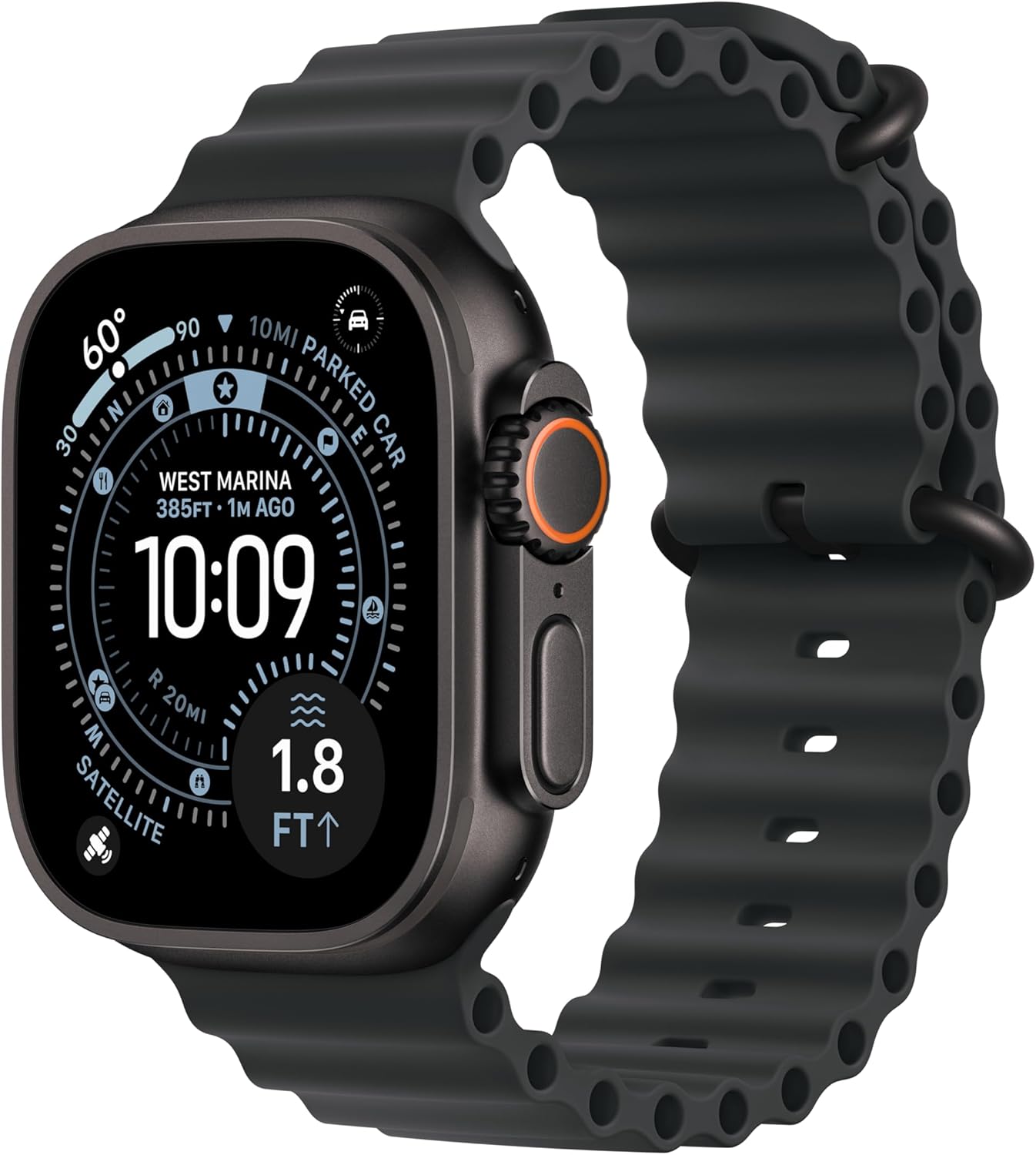
- ✓GPS + Cellular 49mm titanium case
- ✓ECG, AFib detection, blood oxygen tracking
- ✓Up to 42 hours normal use battery life
- ✓Customizable Action Button for workouts
 Check Price
500+ bought last month

- ✓47mm DLC titanium with AMOLED display
- ✓Built-in LED flashlight and speaker/mic
- ✓Training readiness score with HRV status
- ✓Dynamic round-trip routing navigation
Check Price400+ bought last month
Why the Apple Watch Ultra 3 Smartwatch Earns the Top Spot
The Ultra 3 dominates because it delivers serious athletic performance while remaining your primary smartwatch for everything else. I found myself wearing it constantly, from morning runs to dinner meetings, because the cellular connectivity, health monitoring, and fitness tracking work together without compromise. The Fenix 8 requires you to accept a more specialized tool that excels at outdoor sports but stumbles with everyday smart features.
Battery life tells the real story here. With 72 hours in Low Power Mode, the Ultra 3 lasted through a full weekend of hiking and camping while still tracking my sleep and morning workout on Monday. The 20-hour GPS runtime meant I never worried about battery during long trail runs, and the Low Power Mode didn't sacrifice heart rate monitoring or route tracking. The Fenix 8's 47 hours of GPS sounds impressive until you realize the Ultra 3 gives you three full days of normal smartwatch use.
Health tracking separates these watches more than fitness metrics. The ECG capability, blood oxygen monitoring, hypertension alerts, and AFib detection transformed the Ultra 3 into a genuine health device I checked daily. The Vitals app gave me overnight metrics that helped me adjust training intensity based on recovery. Garmin focuses on training load and performance, but Apple addresses actual health monitoring that matters beyond your next PR.
Quick Take:
- Perfect for: Endurance athletes who want health tracking and cellular independence
- Skip it if: You need 5+ days between charges or prefer button-only navigation
- Surprising detail: The flashlight display actually works better than dedicated LED lights for trail running at dawn
Pros
- Up to 72 hours battery in Low Power Mode
- Rugged titanium case with sapphire crystal
- Dual-frequency GPS for precise tracking
- 100m water resistance for water sports
Cons
- 49mm size may be too large for smaller wrists
- Premium pricing compared to competitors
- Cellular requires additional carrier plan
Pros
- Up to 47 hours GPS mode battery life
- 1.4" AMOLED display with sapphire lens
- 40-meter dive rating for scuba activities
- Multi-band GPS with SatIQ technology
Cons
- Heavier titanium construction than rivals
- ECG feature not available in all regions
- Complex interface has learning curve
Key Differences That Actually Matter
Battery Performance and Charging Strategy
The Apple Watch Ultra 3 provides 42 hours of normal use and extends to 72 hours in Low Power Mode, while the Fenix 8 delivers 16 days in smartwatch mode. This represents fundamentally different approaches to battery management. I charged the Ultra 3 every two to three days depending on GPS usage, but the weekly charging rhythm felt less burdensome than expected. The Fenix 8's two-week battery life sounds liberating until you realize most users still charge weekly out of habit, and the titanium construction makes it heavier to wear continuously during that entire period.
GPS Technology and Tracking Precision
Both watches use advanced multi-frequency GPS systems, but they implement them differently. The Ultra 3's dual-frequency GPS locks quickly in dense forest and urban canyons, providing consistent accuracy across varied terrain. Garmin's SatIQ technology dynamically switches between single and multi-band GPS to preserve battery, which sounds smart but occasionally produced track drift when transitioning between modes during trail runs. For pure positioning accuracy in challenging environments, I found minimal difference, but the Ultra 3's consistent performance felt more reliable.
Smart Features and Connectivity
The cellular capability on the Ultra 3 transforms how you train and travel. I left my iPhone at home during long runs, answered calls through the speaker, and streamed music directly to AirPods without carrying anything extra. The Fenix 8 offers Bluetooth calling when paired to your phone, but you still need the phone within range. The built-in speaker and mic on the Fenix 8 work adequately, but the integration feels clunky compared to Apple's ecosystem. Voice assistants work differently too, with Garmin's off-grid voice commands controlling watch functions while Apple's implementation requires iPhone proximity for Siri.
Health Monitoring vs Training Metrics
Apple prioritizes medical-grade health features while Garmin emphasizes athletic performance data. The Ultra 3's ECG, blood oxygen monitoring, and hypertension detection provide clinically relevant information I shared with my doctor. The Vitals app aggregated overnight metrics into actionable recovery insights. Garmin counters with training readiness scores, HRV status tracking, and sport-specific workout libraries that dig deeper into performance optimization. If you want to understand your body's health status, choose Apple. If you want to maximize athletic output through data-driven training, Garmin provides more granular metrics.
Head-to-Head Specs
| Feature | Apple Watch Ultra 3 Smartwatch | Garmin Fenix 8 Sapphire 47mm Watch |
|---|---|---|
| Battery (Normal Use) | 42 hours (72 hours Low Power) | 16 days smartwatch mode |
| GPS Battery Life | 20 hours (Low Power Mode) | 47 hours GPS mode |
| Display | Larger bright display, sapphire crystal | 1.4" AMOLED, sapphire lens |
| Water Resistance | 100m | 40m (dive rated) |
| GPS System | Dual-frequency GPS | Multi-band GPS with SatIQ |
| Connectivity | 5G cellular independent | Bluetooth calling (phone required) |
| Health Features | ECG, blood oxygen, hypertension alerts, AFib detection | HRV status, training readiness, stamina tracking |
| Best For | Connected endurance athletes | Multi-day expedition specialists |
The Ultra 3 wins on health monitoring and independence while the Fenix 8 dominates pure GPS endurance and training depth. Both deliver sapphire crystal durability and serious water resistance, but they serve different master goals.
Performance in Everyday Use
During marathon training, both watches tracked runs accurately, but the experience differed significantly. The Ultra 3's running power metrics, Heart Rate Zones, and training load appeared immediately on the bright display without extra button presses. Custom workouts synchronized from my iPhone automatically, and the Workout Buddy feature used Apple Intelligence to suggest training adjustments based on my schedule. The Fenix 8 provided more granular data about VO2 max, recovery time, and performance condition, but accessing these metrics required navigating through multiple screens. For runners who want data during the run, Apple wins. For athletes who analyze data after workouts, Garmin provides richer material.
Swimming revealed the Ultra 3's superior water performance. The 100m rating meant I never worried during open water swims or high-speed water sports, and the watch tracked lap times, stroke count, and SWOLF scores reliably. The Fenix 8's 40-meter dive rating suits recreational swimming fine, but the Ultra 3 felt more confidence-inspiring when diving off cliffs or surfing. Pool swimming performance matched closely, though Garmin's sport-specific profiles offered more swimming variations out of the box.
Trail running and hiking showed where each watch excels. The Fenix 8's barometric altimeter tracked elevation gain more precisely during mountain climbs, and the dynamic round-trip routing helped me explore new trails by setting distance targets. The Ultra 3's dual-frequency GPS never lost signal under heavy tree cover, and the Action Button let me mark waypoints instantly without menu diving. The brighter display on the Ultra 3 proved easier to read in direct sunlight at altitude, but Garmin's topographic maps provided better trail navigation details.
Hardware, Build, and Feel
Both watches use titanium construction with sapphire crystal displays, but they feel distinctly different on the wrist. The Ultra 3's 49mm case sounds massive but wears comfortably thanks to intelligent weight distribution and curved edges. The Digital Crown and Action Button provide tactile controls that work with gloves or wet hands. The Fenix 8's 47mm titanium bezel adds heft that became noticeable during all-day wear, and the button-heavy interface requires more physical interaction than Apple's touch-plus-crown system.
After three weeks of constant wear, the Ultra 3 disappeared on my wrist while the Fenix 8 reminded me of its presence throughout the day, especially during sleep tracking when the extra weight became more apparent.
The built-in LED flashlight on the Fenix 8 provides a dedicated beam for night navigation, while the Ultra 3's display-based flashlight spreads softer light across a wider area. I preferred Garmin's focused beam for technical trail sections, but Apple's implementation worked better for reading maps or finding gear in a tent. Both watches handle impacts and scratches admirably, with sapphire crystals showing zero marks after weeks of trail abuse.
Matching the Right Product to the Right Person
Apple Watch Ultra 3 Smartwatch
This watch suits athletes who refuse to compromise between serious training tools and daily smartwatch functionality. You want medical-grade health monitoring, cellular independence from your phone, and enough battery to cover weekend adventures without constant charging anxiety. The ecosystem matters here, as iPhone users gain features Android users cannot access. Triathletes, ultrarunners, mountain bikers, and adventure racers who also value staying connected will appreciate how the Ultra 3 handles both worlds competently.
- Endurance athletes who train 10+ hours weekly but also attend meetings and take calls
- iPhone users who want health data integration with Apple Health and medical providers
- Water sports enthusiasts needing 100m resistance for diving, surfing, or swimming
Garmin Fenix 8 Sapphire 47mm Watch
Choose the Fenix 8 if training data depth matters more than smart features. You analyze performance metrics obsessively, plan multi-day expeditions where week-long battery life proves essential, and prefer physical buttons over touchscreens. The learning curve doesn't intimidate you because you value the control it provides. Serious mountaineers, backcountry skiers, adventure racers doing multi-day events, and data-driven athletes will extract more value from Garmin's specialized approach.
- Multi-sport athletes who race ultras, Ironman triathlons, or adventure competitions
- Backcountry enthusiasts spending days away from charging sources
- Training nerds who optimize workouts through detailed performance analytics
What Buyers Say After Living With These
Ultra 3 owners consistently mention the battery life exceeds expectations once they understand Low Power Mode. Several runners told me they initially worried about daily charging but found the 42-hour standard runtime covered most situations comfortably. The cellular feature gets praised more than anticipated, with users loving the freedom to run phoneless while remaining reachable for emergencies. Sleep tracking accuracy receives mixed feedback, with some finding the Vitals app genuinely helpful while others feel the watch too large for comfortable overnight wear.
Fenix 8 users appreciate the extensive battery life but admit they often charge weekly anyway because they forget about the 16-day capability. The AMOLED display gets universal praise for visibility and richness compared to older Garmin models. Training metrics receive consistent applause from serious athletes who rely on the readiness scores and HRV tracking to prevent overtraining. The complexity proves divisive, with experienced Garmin users loving the depth while newcomers from simpler watches struggle through the first month.
One ultrarunner switching from Fenix 7 to Ultra 3 said the Apple watch "finally made Garmin-level tracking feel accessible," though he missed thebarometric altimeter's precision during mountain races.
Both watches handle extreme conditions reliably. Cold weather testing showed no performance degradation, and neither watch flinched during heavy rain or snow. The sapphire crystals on both models remain scratch-free even after rocky trail falls and climbing sessions.