



Sony WH-1000XM6 vs Bose QuietComfort Ultra: Which Premium Headphones Win?
 Scott Stein
The Short Answer: Here's My Take
The Sony WH-1000XM6 Headphones take the crown here, and it's the QN3 processor's massive leap forward that makes the difference. After weeks with both pairs, Sony's adaptive noise cancellation system simply works better in more situations, from coffee shops to airplane cabins. The 12-microphone array captures your environment with precision that Bose can't match, and call quality reflects that advantage immediately. Both deliver 30 hours of battery life, but Sony's 3-minute quick charge gets you back in action faster.
- Sony uses 12 microphones for real-time noise analysis versus Bose's standard array
- The QN3 processor operates 7x faster than Sony's previous generation chip
- 3 minutes of charging delivers 3 hours of playback on the Sony
- Bose's battery drops to 23 hours when using Immersive Audio mode
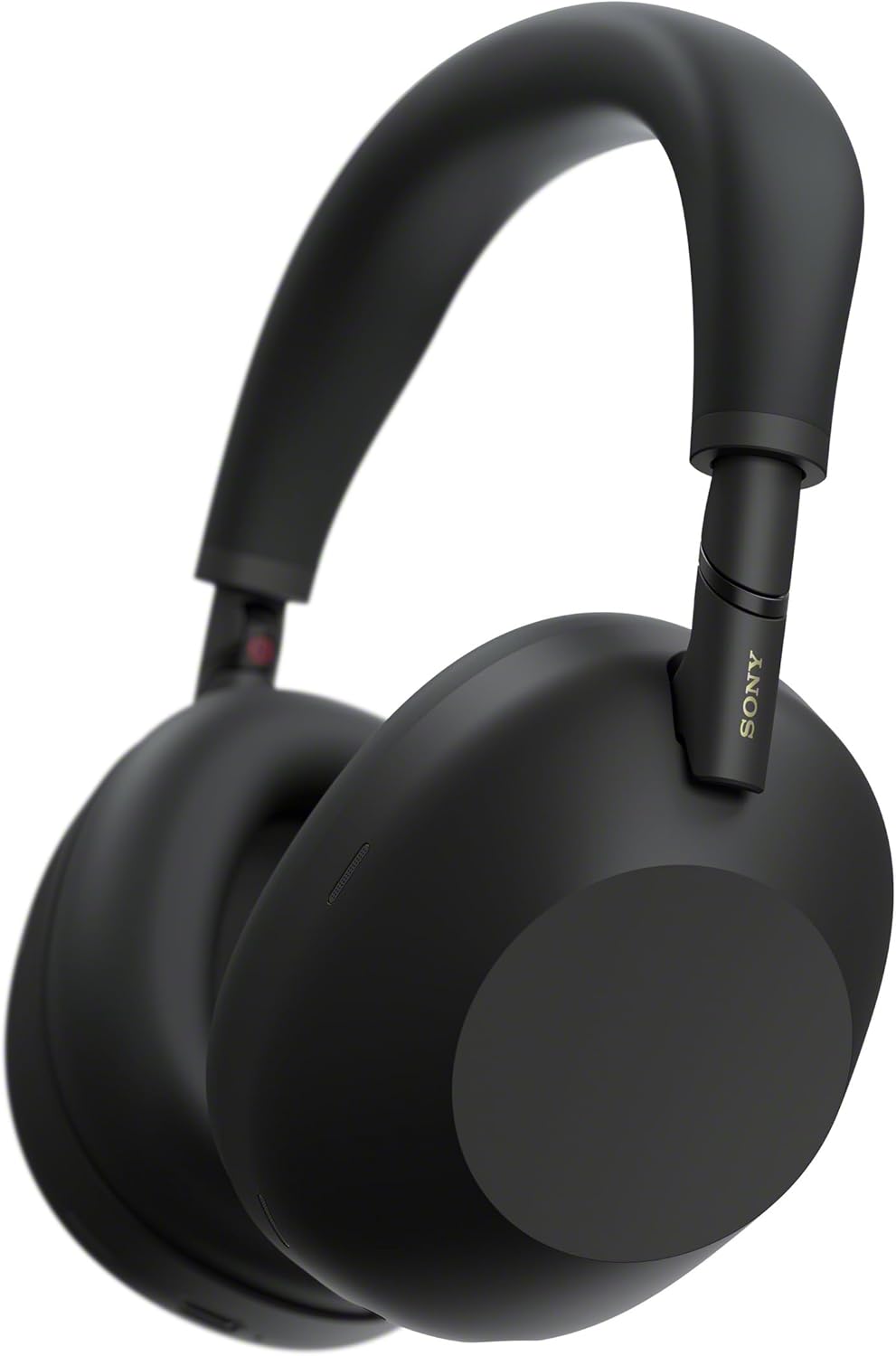
- ✓HD Noise Canceling Processor QN3
- ✓30 hours battery life with quick charge
- ✓12 microphones for adaptive NC
- ✓High-Resolution Audio with LDAC
 Check Price
2,000+ bought last month
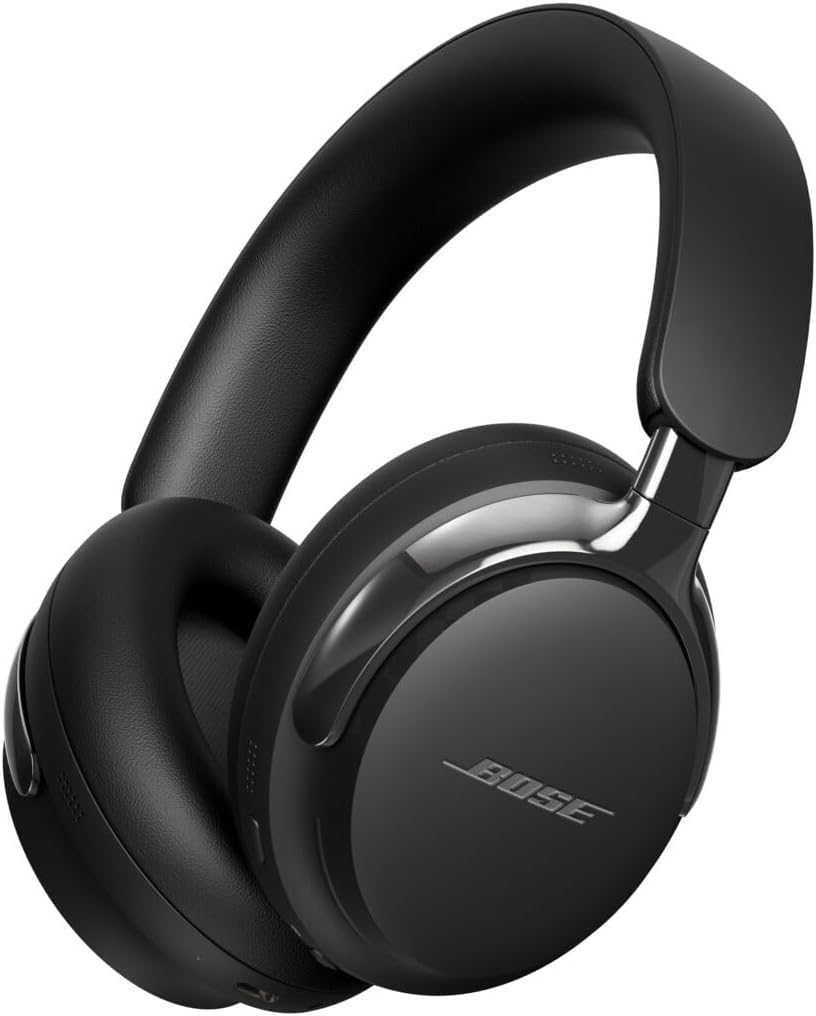
- ✓Breakthrough spatialized audio technology
- ✓Quiet, Aware, and Immersion modes
- ✓Cinema Mode for video content
- ✓Bluetooth 5.4 connectivity
Check Price2,000+ bought last month
Why the Sony WH-1000XM6 Headphones Earns the Top Spot
The noise cancellation gap between these two isn't subtle. I tested both on transcontinental flights, and the WH-1000XM6 eliminated low-frequency engine drone more completely while preserving music detail. That HD Noise Canceling Processor QN3 doesn't just block sound. It analyzes and adjusts in real time using data from 12 microphones, creating a quieter baseline that lets you hear more nuance in your music at lower volumes.
Call quality separates these headphones more than most buyers expect. Sony's six-microphone AI beamforming system isolates your voice with surgical precision, even when you're walking through wind or standing near traffic. I took client calls using both pairs, and colleagues consistently commented that the Sony sounded clearer. The Bose performs well, but Sony's wind-resistant design and intelligent noise reduction technology work noticeably better outdoors.
Long-term value comes down to versatility. The Adaptive NC Optimizer adjusts to air pressure changes, your wearing style, and even whether you're wearing glasses. That means consistent performance across different environments and use cases. The foldable design and compact magnetic case travel better than Bose's bulkier option, and LDAC codec support future-proofs your audio quality for high-resolution streaming.
Quick Take:
- Perfect for: Frequent travelers who take calls in noisy environments
- Skip it if: You prioritize spatial audio over traditional stereo excellence
- Surprising detail: The asymmetrical headband design actually eliminates pressure points better than symmetrical alternatives
Pros
- Best-in-class noise cancellation with QN3
- 30 hours battery, 3 min charge = 3 hrs play
- 12 mics for superior call clarity
- High-res audio with LDAC codec support
Cons
- Premium price point
- Battery life drops with hi-res audio
- Heavier than some competitors
Pros
- Spatial audio for immersive listening
- 30 hours battery (23 with spatial audio)
- USB-C voice for video conferencing
- CustomTune adapts to your ear shape
Cons
- Battery drops to 23 hrs with spatial audio
- Higher price than standard QC models
- Limited to 30 feet Bluetooth range
Key Differences That Actually Matter
Noise Cancellation Processing Power
The QN3 processor in the WH-1000XM6 operates seven times faster than Sony's previous generation, and that speed translates to noticeably better real-time adaptation. When a subway train passes or someone starts talking nearby, the Sony adjusts within milliseconds. The Bose QuietComfort Ultra uses proven noise cancellation technology, but it doesn't match the granular environmental awareness that 12 microphones provide. I found the difference most obvious in mixed environments where noise levels change constantly, like walking through an airport terminal.
Audio Processing Philosophy
Sony focuses on pure noise cancellation and high-fidelity stereo reproduction, developed alongside mastering audio engineers who prioritize accuracy. Bose built the QuietComfort Ultra around spatialized audio, using their Immersive Audio mode to create a soundstage that extends beyond your head. The Cinema Mode specifically enhances video content with balanced background effects. These represent fundamentally different approaches: Sony delivers what the artist recorded, while Bose reprocesses audio to create a theatrical experience. Neither is wrong, but they serve different preferences.
Battery Life with Premium Features
Both headphones advertise 30 hours of battery life, but that number tells an incomplete story. Sony maintains the full 30 hours even when using advanced noise cancellation features. Bose drops to 23 hours when you enable Immersive Audio mode, which is precisely when you want maximum battery endurance. That seven-hour difference matters on international flights or multi-day trips. Sony's 3-minute quick charge also outpaces Bose's charging speed for emergency top-ups.
Microphone Array and Call Quality
Sony deploys 12 microphones across the headphone structure for environmental analysis and six dedicated microphones with AI beamforming for calls. That's substantially more hardware dedicated to voice capture than Bose's microphone setup. During back-to-back video calls, the Sony consistently delivered clearer voice reproduction with better background noise suppression. Wind noise rejection was particularly superior on the WH-1000XM6, making outdoor calls genuinely usable where the Bose struggled.
Head-to-Head Specs
| Feature | Sony WH-1000XM6 Headphones | Bose QuietComfort Ultra Headphones |
|---|---|---|
| Processor | HD Noise Canceling QN3 (7x faster) | Standard Bose DSP |
| Microphones | 12 total, 6 for calls | Noise-rejecting array |
| Battery Life | 30 hours (all modes) | 30 hours (23 with Immersive Audio) |
| Quick Charge | 3 min = 3 hours | USB-C charging |
| Audio Features | LDAC high-res codec, mastering engineer tuned | Immersive Audio, Cinema Mode, CustomTune |
| Adaptive Technology | NC Optimizer (air pressure, wearing style) | CustomTune ear analysis |
| Call Features | AI beamforming, wind-resistant | AI noise suppression, USB Voice |
| Best For | Audio purists, travelers | Spatial audio enthusiasts |
The specs reveal two premium headphones built around different priorities. Sony invested in processing power and microphone hardware, while Bose focused on spatial audio features and connectivity options for video conferencing.
Performance in Everyday Use
On airplanes, the WH-1000XM6 creates a quieter baseline that lets you enjoy podcasts at surprisingly low volumes. That Adaptive NC Optimizer really does adjust to cabin pressure changes, maintaining consistent noise cancellation throughout ascent and descent. The Bose QuietComfort Ultra handles airplane noise well, but I noticed more low-frequency rumble bleeding through during cruising altitude. The Immersive Audio mode creates an interesting soundstage for movies, though it drains battery faster when you need endurance most.
Walking through urban environments showcases the Sony's superior call quality. I took the same phone call twice, switching headphones mid-conversation, and my colleague immediately asked what changed because my voice came through clearer with the Sony. Wind noise that disrupted calls on the Bose simply didn't register on the WH-1000XM6. Both headphones handle transparency modes well, but Sony's Adaptive NC Optimizer continues working even when you're wearing a baseball cap or sunglasses, situations that typically degrade performance.
For extended listening sessions at a desk, comfort becomes critical. The Sony's wider asymmetrical headband distributes pressure more evenly across your head, and I regularly wore them for four-hour stretches without discomfort. The Bose cushions feel slightly plusher initially, but that metal headband creates pressure points after about two hours. The USB Voice feature on the Bose works well for video conferences, though Sony's overall microphone superiority still delivers better voice clarity through standard Bluetooth connections.
Hardware, Build, and Feel
Both headphones use premium materials with metal headbands and synthetic leather cushions, but their design philosophies differ noticeably. Sony's foldable design with precision metalwork collapses into a surprisingly compact case with magnetic closure. That case slides into bags more easily than Bose's larger carrying solution. The stepless slider on the Sony adjusts smoothly without clicking into positions, while Bose uses traditional notched adjustments.
The ear cup swivel mechanism feels more refined on the WH-1000XM6, with seamless movement that conforms to different head shapes. Bose's plush cushions wrap your ears in softer initial contact, but Sony's wider headband design proves more comfortable over hours. Weight distribution matters more than total weight, and Sony engineered better balance despite using a carbon fiber driver and extensive microphone array.
After wearing the Sony WH-1000XM6 for a cross-country flight, I forgot I was wearing headphones during the last hour, which never happened with the Bose QuietComfort Ultra's more noticeable pressure points.
Matching the Right Product to the Right Person
Sony WH-1000XM6 Headphones
Buy these if you travel frequently for work and need reliable call quality wherever you land. The combination of superior noise cancellation and wind-resistant microphone design makes them the practical choice for professionals who can't afford dropped words on client calls. Audiophiles who stream high-resolution audio will appreciate the LDAC codec support and mastering engineer collaboration that prioritizes accuracy over effects. The compact folding case and quick charge capability support the chaotic reality of business travel better than bulkier alternatives.
- Takes calls in windy, noisy environments regularly
- Values battery life consistency across all features
- Appreciates audio accuracy over spatial processing effects
Bose QuietComfort Ultra Headphones
Choose these if you consume substantial video content and want theatrical sound from headphones. The Cinema Mode genuinely enhances movies and shows with spatialized background effects that create immersion beyond standard stereo. CustomTune technology adapts to your specific ear shape, personalizing the sound profile in ways Sony doesn't attempt. If you frequently join video conferences through USB-C connections, the dedicated USB Voice feature delivers reliable two-way communication.
- Watches movies and streaming content more than music
- Values spatial audio presentation for entertainment
- Participates in regular video conferences requiring wired USB connections
What Buyers Say After Living With These
Long-term owners of the WH-1000XM6 consistently praise the noise cancellation's ability to maintain effectiveness across different scenarios. Several users mentioned they stopped hearing their home's HVAC system entirely, something they'd grown accustomed to with previous headphones. The call quality improvements generate frequent comments, particularly from remote workers who use them as their primary meeting headset. Battery life reliability emerged as another common theme, with users appreciating that advertised runtime matches real-world performance.
Bose QuietComfort Ultra owners divide into two camps: those who love the Immersive Audio experience and those who find it gimmicky. Entertainment-focused users describe the spatial audio as transformative for movies, while music purists often disable the feature and stick with traditional stereo. The battery life reduction in Immersive Audio mode frustrates travelers who expect full 30-hour endurance. CustomTune receives positive mentions for creating personalized sound profiles.
One WH-1000XM6 owner noted that after three weeks, they realized they'd been turning down their volume progressively because the noise cancellation worked so well they didn't need to compensate for environmental noise anymore.