



Our 10 Best 3D Printers
Compare top models for reliability, speed, and material compatibility.
 Scott Stein May 3, 2026 5 min read
- ✓10000 mm/s² acceleration
- ✓Multi-color printing with AMS lite
- ✓Full auto calibration
- ✓Active flow rate compensation
- ✓≤48 dB quiet printing
 Check Price
100+ bought last month
- ✓10000 mm/s² acceleration
- ✓Multi-color printing with AMS lite
- ✓Full auto calibration
- ✓Active flow rate compensation
- ✓≤48 dB quiet printing
Check Price100+ bought last month

- ✓Up to 16 color printing
- ✓600mm/s printing speed
- ✓Chamber AI camera monitoring
- ✓300°C hardened steel nozzle
- ✓10.24x10.24x10.24 inch build volume
- ✓Up to 16 color printing
- ✓600mm/s printing speed
- ✓Chamber AI camera monitoring
- ✓300°C hardened steel nozzle
- ✓10.24x10.24x10.24 inch build volume

- ✓Resume printing function
- ✓8.66x8.66x9.84 inch build volume
- ✓V-shape POM wheels for smooth movement
- ✓Open source design
- ✓Safety protected power supply
Check Price200+ bought last month
- ✓Resume printing function
- ✓8.66x8.66x9.84 inch build volume
- ✓V-shape POM wheels for smooth movement
- ✓Open source design
- ✓Safety protected power supply
Check Price200+ bought last month
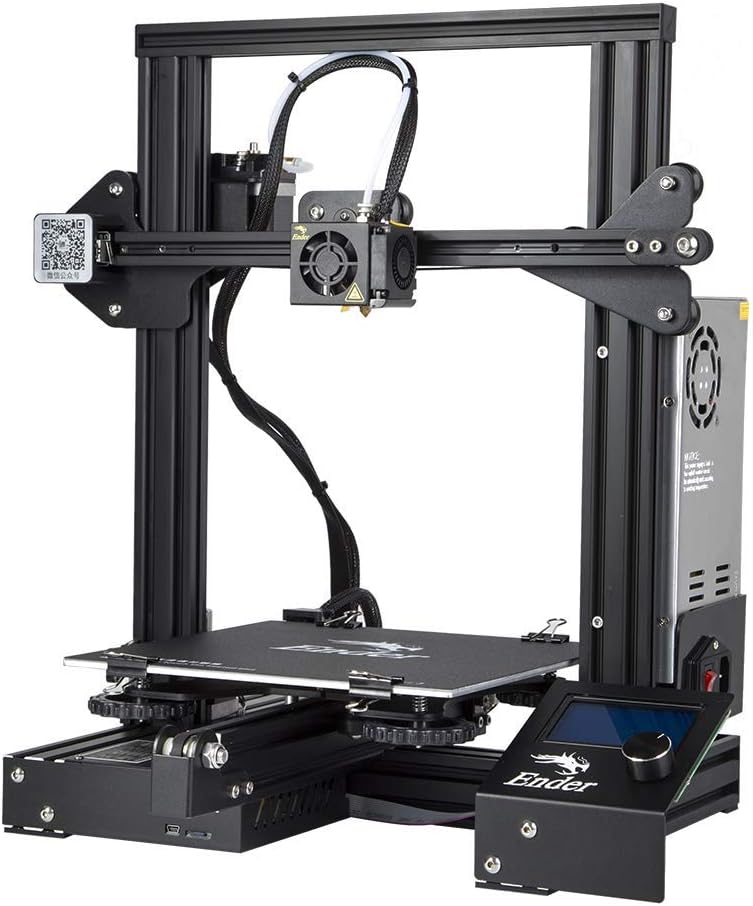
- ✓Direct drive extruder
- ✓CR Touch auto bed leveling
- ✓Dual Z-axis for smooth printing
- ✓Silent motherboard
- ✓220x220x270mm build volume
- ✓Direct drive extruder
- ✓CR Touch auto bed leveling
- ✓Dual Z-axis for smooth printing
- ✓Silent motherboard
- ✓220x220x270mm build volume

- ✓500mm/s print speed
- ✓320°C brass-hardened steel nozzle
- ✓256x256x256mm build volume
- ✓Built-in chamber camera
- ✓Die-cast aluminum frame
- ✓500mm/s print speed
- ✓320°C brass-hardened steel nozzle
- ✓256x256x256mm build volume
- ✓Built-in chamber camera
- ✓Die-cast aluminum frame
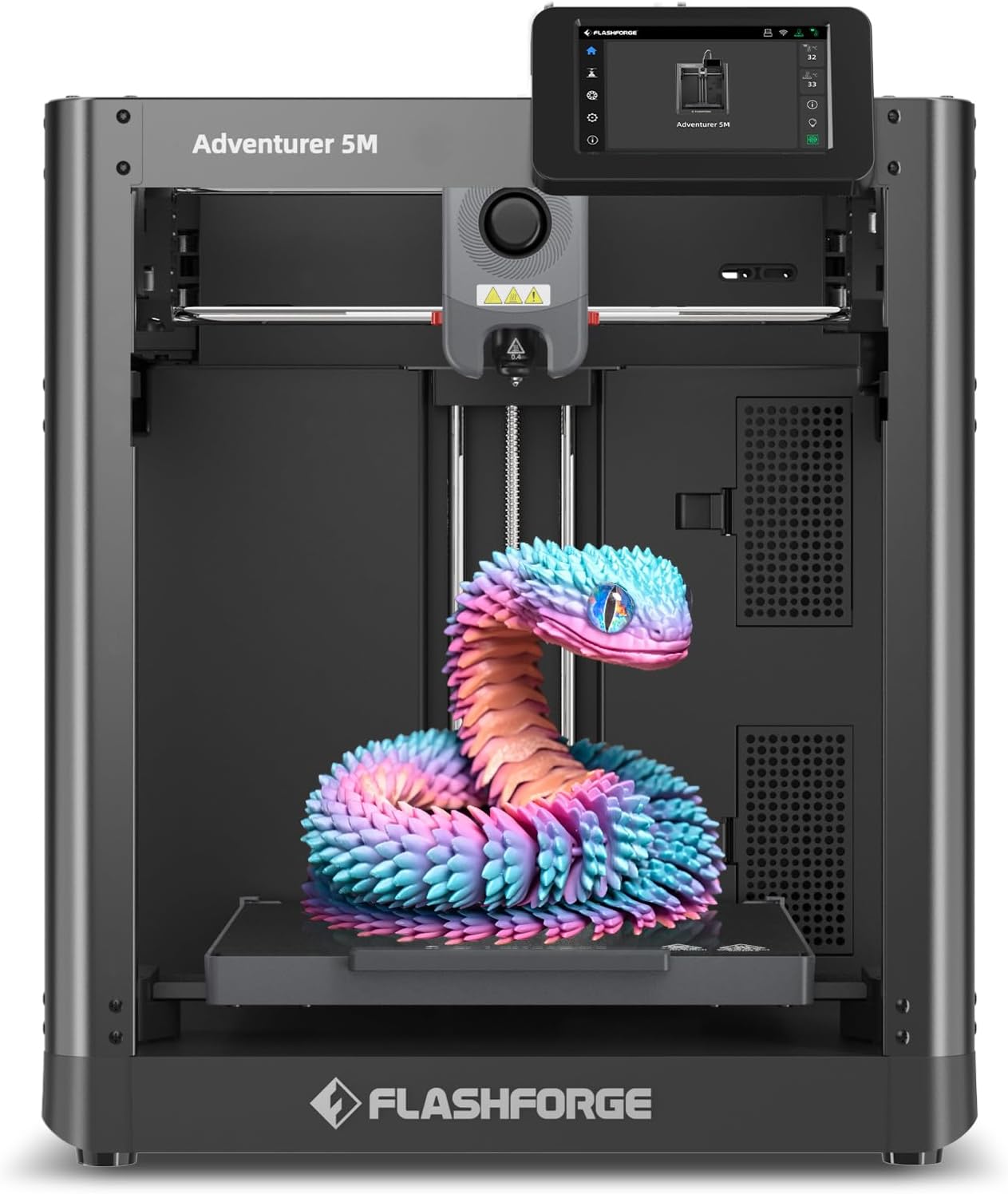
- ✓600mm/s travel speed
- ✓3-second nozzle changes
- ✓280°C direct extruder
- ✓Auto bed leveling
- ✓220x220x220mm build volume
- ✓600mm/s travel speed
- ✓3-second nozzle changes
- ✓280°C direct extruder
- ✓Auto bed leveling
- ✓220x220x220mm build volume

- ✓Multicolor printing with CFS
- ✓500mm/s high-speed printing
- ✓Smart auto leveling
- ✓Die-cast aluminum alloy frame
- ✓220x215x245mm build volume
- ✓Multicolor printing with CFS
- ✓500mm/s high-speed printing
- ✓Smart auto leveling
- ✓Die-cast aluminum alloy frame
- ✓220x215x245mm build volume
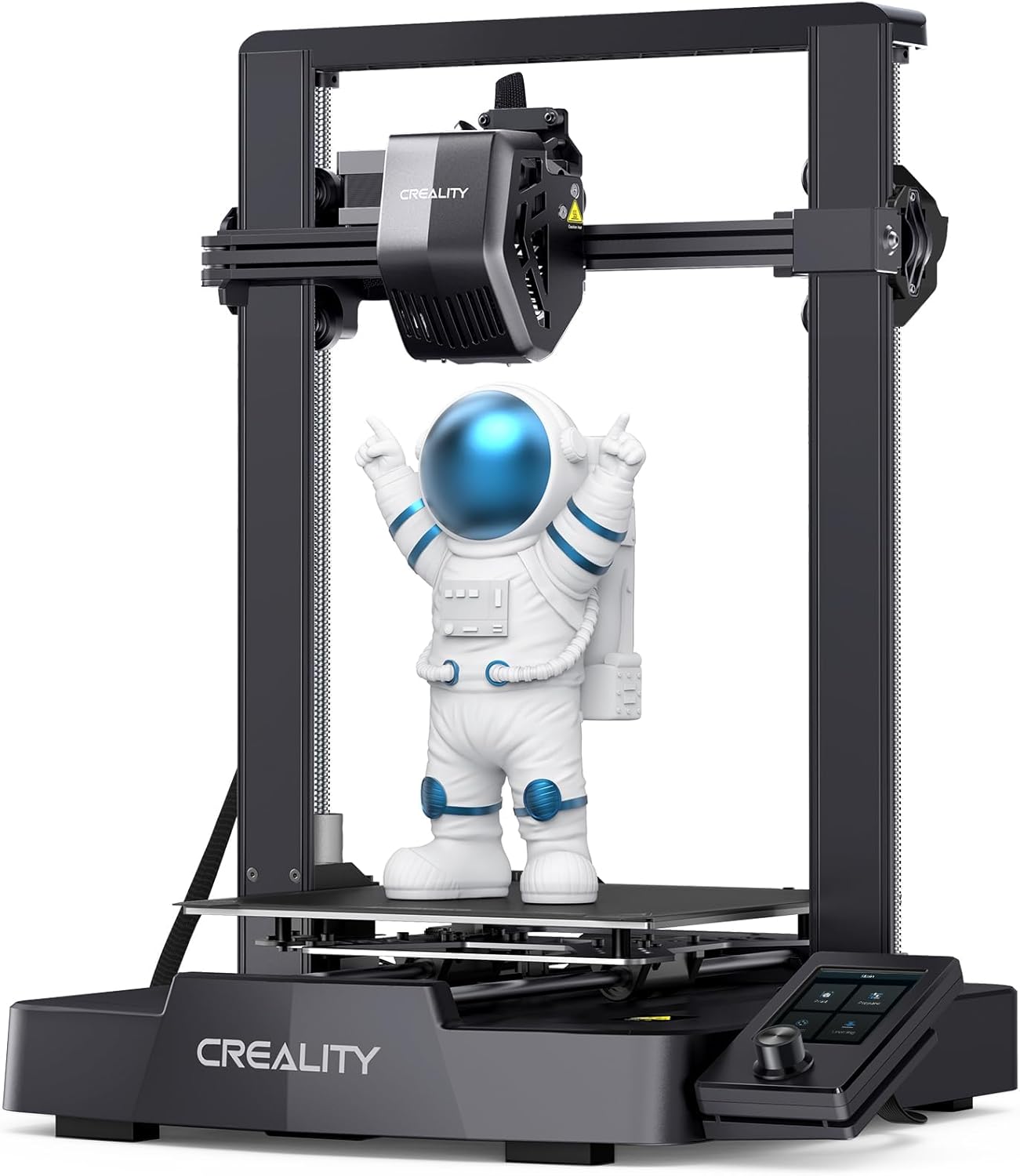
- ✓250mm/s printing speed
- ✓Sprite direct extruder
- ✓CR Touch auto leveling
- ✓Dual Z-axis stability
- ✓Auto filament loading
Check Price300+ bought last month
- ✓250mm/s printing speed
- ✓Sprite direct extruder
- ✓CR Touch auto leveling
- ✓Dual Z-axis stability
- ✓Auto filament loading
Check Price300+ bought last month

- ✓4 color simultaneous printing
- ✓600mm/s print speed
- ✓1-click auto leveling
- ✓300°C direct drive extruder
- ✓220x220x220mm build volume
- ✓4 color simultaneous printing
- ✓600mm/s print speed
- ✓1-click auto leveling
- ✓300°C direct drive extruder
- ✓220x220x220mm build volume

- ✓600mm/s travel speed
- ✓280°C quick detachable nozzle
- ✓Core XY all-metal structure
- ✓Pressure sensing auto leveling
- ✓220x220x220mm build volume
Check Price1,000+ bought last month
- ✓600mm/s travel speed
- ✓280°C quick detachable nozzle
- ✓Core XY all-metal structure
- ✓Pressure sensing auto leveling
- ✓220x220x220mm build volume
Check Price1,000+ bought last month
Get the best deals in your inbox
FREEJoin smart shoppers getting weekly deals, top-rated picks & buying guides. No spam, ever.
No spam. Unsubscribe anytime.
You May Also Like


Why 3D Printers Have Become Essential for Hobbyists and Small Businesses
3D printers transform digital designs into physical objects layer by layer, opening possibilities that were once limited to industrial settings. Whether you're prototyping products, creating custom parts, or exploring creative projects, these machines deliver precision and flexibility that traditional manufacturing can't match.
- Rapid Prototyping: Test product designs in hours instead of weeks, iterating quickly without expensive tooling or outsourcing to machine shops
- Custom Part Creation: Manufacture replacement components for appliances, furniture, or vehicles that are no longer available commercially
- Educational Value: Learn CAD modeling, engineering principles, and problem-solving through hands-on projects that reinforce spatial reasoning skills
- Cost-Effective Production: Produce small batches of specialized items without minimum order quantities or setup fees that injection molding requires
- Material Versatility: Work with PLA, PETG, TPU, carbon fiber composites, and specialty filaments for different strength and flexibility requirements
What Separates Basic Models from Advanced 3D Printers
| Factor | Why It Matters | What to Look For |
|---|---|---|
| Build Volume | Determines maximum part size and whether you can print multiple objects simultaneously | Minimum 180mm x 180mm x 180mm for general use; 250mm cubed for larger prototypes or batch printing |
| Print Speed | Directly impacts project turnaround time, especially for iterative design work | 150-300mm/s for hobbyist models; 500mm/s or higher for professional workflows with CoreXY systems |
| Bed Leveling System | Affects first-layer adhesion and print success rates across different areas of the build plate | Automatic mesh leveling with 16+ probe points; manual systems require constant adjustments and waste filament |
| Extruder Type | Influences material compatibility and whether you can print flexible or abrasive filaments reliably | Direct drive for TPU and flexible materials; Bowden systems work fine for rigid filaments like PLA and PETG |
| Enclosed Design | Controls ambient temperature for materials like ABS and Nylon that warp without consistent heat | Fully enclosed chamber for engineering-grade materials; open-frame designs suffice for PLA-focused printing |
Top 3D Printers Worth Your Consideration
Here are the machines that consistently deliver results across different use cases:
| Product | Best For | Check Price |
|---|---|---|
| Bambu Lab A1 Mini | Beginners wanting reliable prints immediately | Check Price |
| Creality K2 Combo | High-speed printing with minimal tweaking | Check Price |
| Comgrow Ender 3 | Budget-conscious makers willing to learn calibration | Check Price |
| ELEGOO Centauri Carbon | Users needing enclosed chamber for technical materials | Check Price |
| FLASHFORGE Adventurer 5M | Classrooms and shared spaces requiring simplicity | Check Price |
The Bambu Lab A1 Mini stands out because it eliminates the learning curve that frustrates newcomers. Automatic calibration, filament detection, and built-in error recovery mean you'll spend time designing rather than troubleshooting failed prints.
Getting Consistent Results from Your First 3D Printer Setup
Bed adhesion problems cause more failed prints than any other factor. Clean your build surface with isopropyl alcohol before each print, and apply a thin layer of glue stick or hairspray for materials that struggle to stick. The print surface temperature matters tremendously: 60°C works for PLA, but PETG needs 80°C to prevent warping during cooling. Check that your nozzle height sits exactly one sheet of paper's thickness above the bed during initial calibration.
Filament storage directly impacts print quality because moisture absorption causes bubbling and weak layer bonds. Store opened spools in airtight containers with desiccant packs, and consider a filament dryer if you notice popping sounds during extrusion. PLA absorbs moisture slower than Nylon, but even a week of humid air exposure affects dimensional accuracy and surface finish on detailed models.
Most calibration issues trace back to incorrect Z-offset rather than mechanical problems with the printer itself. The Bambu Lab A1 Mini handles this automatically through its lidar-based first layer inspection that adjusts on the fly.
Slicing software choices matter more than most buyers realize. Cura offers extensive customization through hundreds of settings, but beginners benefit from simplified interfaces like Bambu Studio or Creality Print that provide excellent results with default profiles. Start with manufacturer-recommended settings for your specific material, then adjust print speed and temperature only after you've completed several successful prints and understand how changes affect output quality.