



Our 10 Best Mirrorless Cameras
Find the right mirrorless camera for your shooting style and skill level.
 Scott Stein May 1, 2026 6 min read
- ✓24.2MP full-frame Exmor R CMOS sensor
- ✓693 phase-detection AF points
- ✓5-axis in-body image stabilization
- ✓10fps continuous shooting
- ✓4K video with S-Log3 and HLG
- ✓24.2MP full-frame Exmor R CMOS sensor
- ✓693 phase-detection AF points
- ✓5-axis in-body image stabilization
- ✓10fps continuous shooting
- ✓4K video with S-Log3 and HLG

- ✓33MP full-frame back-illuminated sensor
- ✓BIONZ XR image processing engine
- ✓4K 60p 10-bit 4:2:2 recording
- ✓Real-time Eye AF for humans and animals
- ✓Focus Map and Breathing Compensation
- ✓33MP full-frame back-illuminated sensor
- ✓BIONZ XR image processing engine
- ✓4K 60p 10-bit 4:2:2 recording
- ✓Real-time Eye AF for humans and animals
- ✓Focus Map and Breathing Compensation

- ✓24.2MP full-frame CMOS sensor
- ✓DIGIC X image processor
- ✓Dual Pixel CMOS AF II 100% coverage
- ✓Uncropped 4K 60fps oversampled from 6K
- ✓2.36M dot OLED EVF 120fps refresh
 Check Price
100+ bought last month
- ✓24.2MP full-frame CMOS sensor
- ✓DIGIC X image processor
- ✓Dual Pixel CMOS AF II 100% coverage
- ✓Uncropped 4K 60fps oversampled from 6K
- ✓2.36M dot OLED EVF 120fps refresh
Check Price100+ bought last month

- ✓20MP Live MOS sensor
- ✓5-axis image stabilization 4.5 stops
- ✓4K video recording
- ✓Flip-down monitor with selfie mode
- ✓16 Art Filters with 31 types
Check Price- ✓20MP Live MOS sensor
- ✓5-axis image stabilization 4.5 stops
- ✓4K video recording
- ✓Flip-down monitor with selfie mode
- ✓16 Art Filters with 31 types
Check Price
- ✓24.2MP APS-C CMOS sensor
- ✓12fps electronic first curtain shutter
- ✓Dual Pixel CMOS AF II 651 zones
- ✓6K oversampled uncropped 4K 30fps
- ✓2.36M dot EVF with vari-angle LCD
Check Price300+ bought last month
- ✓24.2MP APS-C CMOS sensor
- ✓12fps electronic first curtain shutter
- ✓Dual Pixel CMOS AF II 651 zones
- ✓6K oversampled uncropped 4K 30fps
- ✓2.36M dot EVF with vari-angle LCD
Check Price300+ bought last month
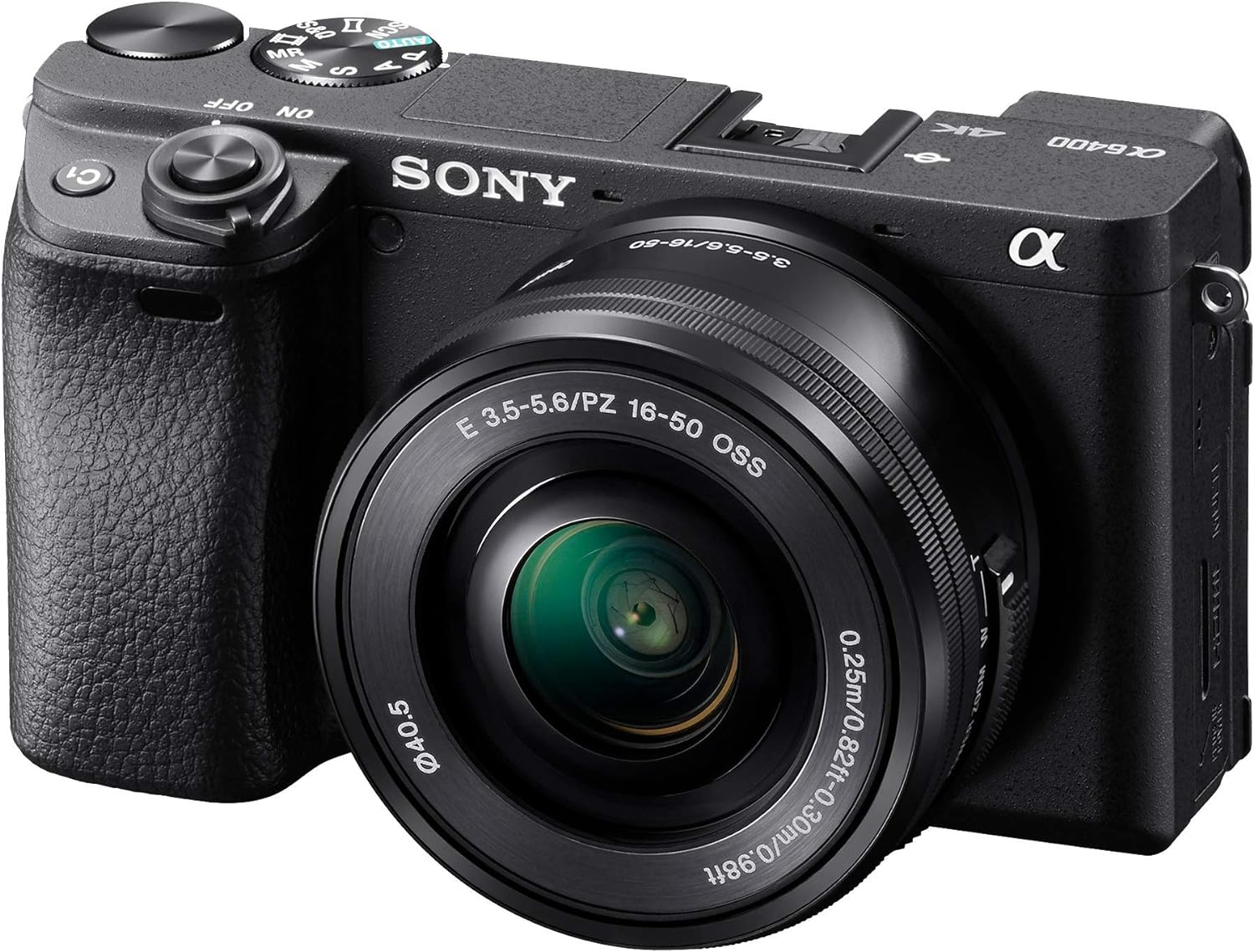
- ✓24.2MP APS-C sensor
- ✓425 phase and contrast detection points
- ✓11fps continuous shooting at 24.2MP RAW
- ✓Real-time Eye autofocus
- ✓Tiltable LCD for vlogging
- ✓24.2MP APS-C sensor
- ✓425 phase and contrast detection points
- ✓11fps continuous shooting at 24.2MP RAW
- ✓Real-time Eye autofocus
- ✓Tiltable LCD for vlogging

- ✓24.1MP APS-C CMOS sensor
- ✓DIGIC 8 image processor
- ✓4K video at 24fps
- ✓Dual Pixel CMOS AF 143 zones
- ✓6.5fps continuous shooting
- ✓24.1MP APS-C CMOS sensor
- ✓DIGIC 8 image processor
- ✓4K video at 24fps
- ✓Dual Pixel CMOS AF 143 zones
- ✓6.5fps continuous shooting

- ✓20MP Live MOS sensor
- ✓5-axis stabilization 4.5 stops
- ✓14-42mm F3.5-5.6 EZ lens included
- ✓4K video recording
- ✓Bluetooth and Wi-Fi connectivity
- ✓20MP Live MOS sensor
- ✓5-axis stabilization 4.5 stops
- ✓14-42mm F3.5-5.6 EZ lens included
- ✓4K video recording
- ✓Bluetooth and Wi-Fi connectivity

- ✓20.9MP DX format APS-C sensor
- ✓31 built-in Picture Control presets
- ✓9 subject auto-detect and tracking
- ✓4K UHD 60p video recording
- ✓Includes 16-50mm and 50-250mm lenses
Check Price100+ bought last month
- ✓20.9MP DX format APS-C sensor
- ✓31 built-in Picture Control presets
- ✓9 subject auto-detect and tracking
- ✓4K UHD 60p video recording
- ✓Includes 16-50mm and 50-250mm lenses
Check Price100+ bought last month

- ✓24.2MP APS-C CMOS sensor
- ✓RF-S14-30mm F4-6.3 IS STM PZ lens
- ✓Vertical video tripod mount
- ✓4K 60p crop and 4K 30p full-width
- ✓Full-HD 120p recording
- ✓24.2MP APS-C CMOS sensor
- ✓RF-S14-30mm F4-6.3 IS STM PZ lens
- ✓Vertical video tripod mount
- ✓4K 60p crop and 4K 30p full-width
- ✓Full-HD 120p recording
Get the best deals in your inbox
FREEJoin smart shoppers getting weekly deals, top-rated picks & buying guides. No spam, ever.
No spam. Unsubscribe anytime.
You May Also Like
Why Mirrorless Camera Technology Beats Traditional DSLRs for Modern Photography
Mirrorless cameras have transformed photography by eliminating the bulky mirror mechanism found in DSLRs. This design shift delivers lighter bodies, faster shooting speeds, and superior video capabilities without sacrificing image quality. Whether you're upgrading from a smartphone or switching from a DSLR, understanding what makes a Mirrorless Camera worth the investment starts with knowing these advantages.
- Compact Form Factor: Without the mirror box and pentaprism, mirrorless bodies weigh 30-40% less than equivalent DSLRs while maintaining full-frame sensor capabilities and professional-grade optics in a travel-friendly package.
- Real-Time Exposure Preview: The electronic viewfinder shows exactly how your final image will look before you press the shutter, adjusting instantly as you change ISO, aperture, or shutter speed settings.
- Silent Shooting Mode: Electronic shutters enable completely silent operation, essential for wedding ceremonies, wildlife photography, and street shooting where shutter noise would disrupt the moment.
- Advanced Autofocus Systems: On-sensor phase detection covers nearly the entire frame with eye-tracking capabilities that lock onto moving subjects with precision DSLRs can't match.
- Superior Video Features: Native 4K recording, focus peaking, and in-body stabilization make mirrorless systems the go-to choice for hybrid shooters who need professional video alongside stills.
What Sensor Size and Megapixel Count Actually Mean for Mirrorless Camera Performance
| Factor | Why It Matters | What to Look For |
|---|---|---|
| Sensor Size | Determines light-gathering ability and depth-of-field control. Full-frame sensors deliver better low-light performance and shallower backgrounds than APS-C or Micro Four Thirds. | Full-frame for professional work and low-light shooting; APS-C for versatility and lighter lenses; Micro Four Thirds for maximum portability with telephoto reach. |
| Autofocus Points | More coverage means reliable tracking across the frame. Hybrid systems with both phase and contrast detection handle erratic subject movement better. | Minimum 400 points for action photography. Look for eye/face detection that works with animals, not just humans. The Sony Alpha 7 III offers 693 phase-detection points. |
| In-Body Stabilization | Compensates for camera shake, enabling sharper handheld shots at slower shutter speeds. Particularly valuable with non-stabilized vintage lenses. | 5-axis IBIS rated for at least 5 stops of compensation. Test with lenses longer than 100mm where shake becomes most visible. |
| Burst Speed | Determines how many frames per second you can capture during continuous shooting. Electronic shutters enable faster rates than mechanical ones. | 10fps minimum for sports and wildlife. Check buffer depth—some cameras slow dramatically after 20-30 RAW files. |
| Lens Ecosystem | Native lens availability affects what you can shoot and your long-term investment. Adapters work but may sacrifice autofocus speed. | Sony E-mount and Canon RF-mount offer the widest native selection. Consider adapter quality if you own DSLR glass. |
Mirrorless Camera Models Worth Shortlisting Right Now
These models represent the best options across different shooting priorities and experience levels.
| Product | Best For | Check Price |
|---|---|---|
| Sony Alpha 7 III ILCE7M3K/B Camera | Professional hybrid shooters needing reliable performance | Check Price |
| Sony Alpha 7 IV Camera Kit | Latest tech with improved video specs | Check Price |
| Canon EOS R8 Camera | Full-frame quality in a lightweight body | Check Price |
| Olympus E-M10 Mark IV Camera | Compact travel photography | Check Price |
| Sony a6400 ILCE-6400L/B Camera | Fast autofocus for action and vlogging | Check Price |
| Canon EOS R50 Camera Kit | Entry-level shooters learning manual controls | Check Price |
The Sony Alpha 7 III remains the benchmark for balanced performance, combining a proven 24MP full-frame sensor with exceptional battery life and dual card slots that professionals depend on for paid work.
Getting Sharp Images With Your First Mirrorless Setup
Start by mastering your camera's focus modes rather than leaving it on default settings. Single-point AF works best for static subjects where you control composition, while continuous tracking modes shine when photographing people or animals in motion. The difference becomes obvious once you assign custom buttons for quick switching between modes.
Electronic viewfinders take adjustment if you've shot with optical finders or smartphone screens. Disable extra overlays initially—histograms and grid lines clutter the view while you're learning composition basics. Enable focus peaking once you understand manual focus; this feature highlights sharp areas in real-time and proves invaluable with adapted vintage lenses that lack autofocus.
Battery management differs significantly from DSLRs since the sensor and viewfinder run continuously. Always carry at least two spare batteries for full-day shoots, and enable airplane mode to prevent WiFi from draining power during storage.
Mirrorless cameras excel at subject tracking once you customize the sensitivity settings for your typical shooting scenarios. The Sony a6400 handles this particularly well with configurable tracking persistence that reduces false focus shifts when other objects cross your frame momentarily.
Learn your camera's back-button focus setup early. Separating focus activation from the shutter release gives you precise control over when the camera refocuses versus when it captures the image. This technique eliminates the frustration of the camera hunting for focus the instant you press the shutter during critical moments. Practice this with moving subjects until muscle memory takes over, and you'll wonder how you ever shot without it.